
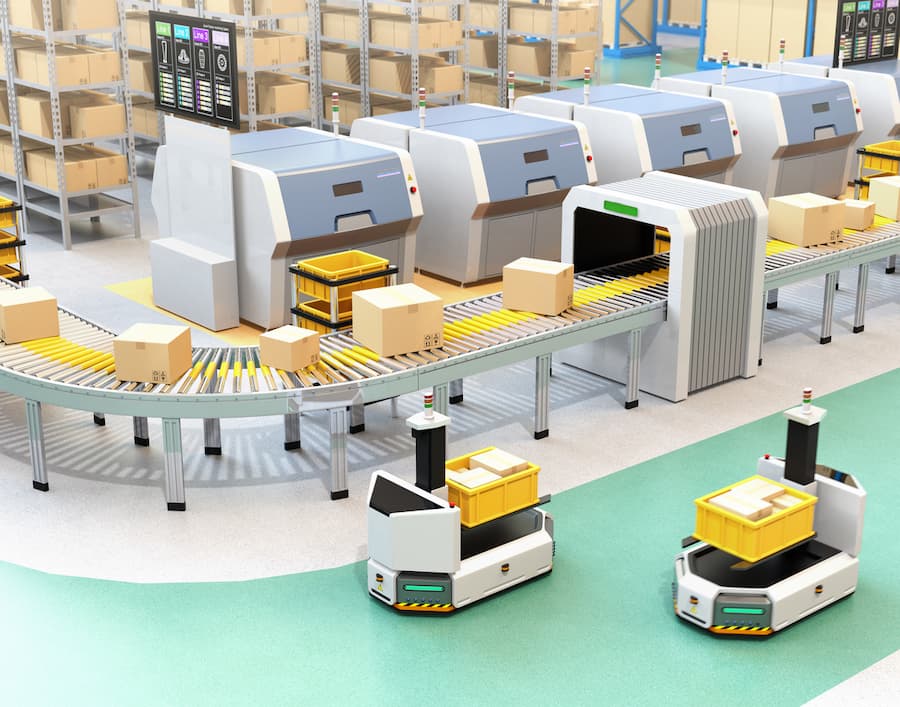
Order accuracy remains one of the most important performance measures in warehouse operations. Mistakes lead to costly returns, delays, and dissatisfied customers. Automated picking solutions provide a structured method for reducing these errors by guiding employees, controlling product movement, and standardizing workflows. An operational assessment conducted before implementation helps managers choose the right technology and integrate it effectively.
Automated picking systems include goods to person technologies, pick to light, voice directed solutions, and robotic picking equipment. Each option supports accuracy by reducing manual decision making and presenting clear instructions to workers.
Reducing Human Error in Product Selection
Manual picking relies heavily on worker judgment. In fast paced environments, this increases the likelihood of mispicks, especially when SKUs are similar in size or appearance. Automated systems limit these errors by directing workers to precise locations and confirming the correct item before it is removed.
Pick to light technology guides employees with visual cues that indicate the exact quantity required. Voice systems give hands free instructions, helping workers maintain focus on the task rather than managing paperwork or handheld devices. Goods to person equipment eliminates walking entirely by delivering specified items directly to a workstation where the operator performs a simple confirmation process.
Strengthening Validation and Quality Control
Automated systems often include built-in verification steps. Scanners, sensors, or weight checks validate that the correct item has been selected. When a discrepancy occurs, the system notifies the operator immediately, preventing the mistake from moving further into the process.
These validation layers create a safety net that manual processes rarely offer. Quality control becomes more consistent because the system enforces the same standard across every shift. Managers also have access to detailed error logs that help them target coaching efforts or adjust slotting strategies.
Improving Slotting and Storage Efficiency
Automated picking performs best when inventory is arranged in a logical, data driven way. Many systems analyze order history to recommend optimal slotting patterns. Fast moving items are placed in easily accessible zones while slow moving SKUs are stored farther away. This organization reduces congestion and minimizes search time.
Facilities using goods to person technology gain additional benefits because the system handles physical storage and retrieval automatically. Items are stored in a compact, high density format that reduces travel and eliminates common picking confusion. The storage method helps maintain accuracy by presenting only one SKU to the operator at a time.
Supporting New Employee Training
Training new staff in manual environments can be inconsistent. Automated systems simplify the learning curve by providing clear prompts and structured workflows. Trainees can reach productive levels more quickly because they do not need to memorize complex routes or layouts.
The predictability of automated tasks reduces cognitive load. Workers follow a proven sequence rather than relying on guesswork. This not only improves accuracy but also increases employee confidence and retention.
Enhancing Real Time Visibility
Automated picking solutions produce detailed performance data. Managers can monitor accuracy rates, cycle times, and bottlenecks as they occur. This visibility allows leaders to intervene early when trends suggest a decline in accuracy.
Data also supports continuous improvement. By reviewing which SKUs generate the most errors or which zones struggle with congestion, managers can adjust the process to reduce mistakes. Automated systems capture this information automatically, eliminating the need for manual auditing.
Integrating With Warehouse Systems
Automated picking works best when connected to the warehouse management system. This integration ensures inventory levels reflect actual movement and prevents discrepancies. Orders are released, sequenced, and tracked within a unified workflow that reduces opportunities for error.
Integration also strengthens communication between departments. Receiving, replenishment, and inventory control teams can respond quickly to variances because they have access to current information. The combined workflow improves accuracy across the entire operation, not just in picking.
Building Toward Long Term Accuracy Improvement
While accuracy gains appear quickly after implementation, maintaining high performance requires consistent review. Managers should track key metrics, adjust processes as product mixes change, and ensure equipment is maintained properly. When combined with employee coaching and thoughtful slotting, automated picking creates a reliable foundation for long term accuracy.
Automated picking solutions deliver measurable improvements in order accuracy because they standardize decisions and reduce the variability inherent in manual processes. With clear instructions, built in validation, and strong data visibility, these systems help warehouse teams maintain accuracy at scale while reducing the operational cost of errors.
Preparing for Future Automation
Smart sensors also position a warehouse for more advanced automation in the future. The data they generate offers a clearer view of where automated material handling equipment could bring the most value. Managers can study traffic patterns, equipment strain, and congestion points with greater precision. This insight informs capital planning and reduces the uncertainty that often slows automation projects. By understanding how current processes behave, leaders can select equipment that fits their real needs rather than assumptions. Over time, this creates a smoother transition into larger automation initiatives and supports more predictable performance across the operation.