
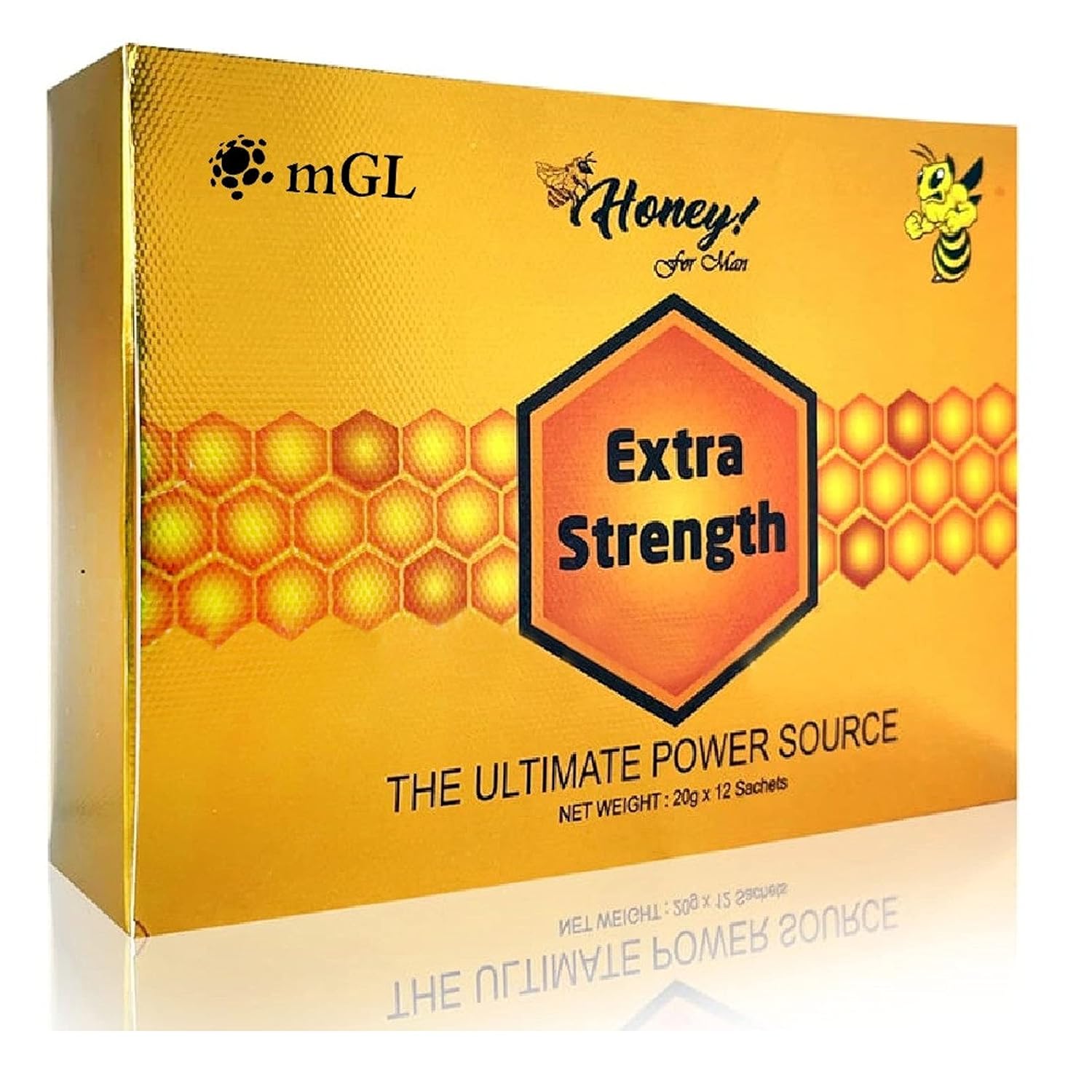
Choosing between honey products depends on personal needs and daily habits. When you buy vip royal honey packs, you pick a measured option made for easy use. Regular honey in jars stays useful for cooking and steady home routines. Each format serves different purposes, making your choice dependent on convenience requirements, usage frequency, and personal consumption patterns.
What’s inside matters
Honey packs contain concentrated blends that use added nutrients and herbal extracts. These packets give fixed amounts in single servings. This keeps intake steady each time. Regular honey stays in pure form and keeps natural enzymes and pollen intact. Jar forms need manual portion control and need tools to measure exact amounts. The strength of each form changes the way your body absorbs nutrients. Packed forms use special methods that support faster absorption. Traditional jar honey retains raw properties that some consumers prefer for natural wellness routines. Your selection should align with whether you prioritize convenience or traditional characteristics.
Processing makes a difference
Manufacturing approaches create distinct product qualities between these two formats:
- Packed varieties undergo quality controls, ensuring batch consistency and precise nutritional content per serving.
- Sterile packaging protects contents from environmental contamination and moisture exposure during storage.
- Traditional honey maintains natural crystallization patterns that indicate authenticity and minimal processing.
- Jar products allow visual inspection of colour, texture, and clarity before purchasing.
- Sealed packets prevent oxidation better than repeatedly opened containers over extended periods.
Both formats maintain honey’s core properties, but processing impacts shelf stability differently. Packets resist spoilage due to tight sealing. They stay stable for long periods under normal storage. Jars require steady care to avoid unwanted contact that may affect purity. Changes in temperature place more strain on jarred honey because the interior shifts more easily than single packets, which remain steady.
Storage conditions vary
Preservation requirements differ substantially between these formats:
- Individual packets maintain freshness without refrigeration for extended periods due to sealed packaging
- Multi-serve jars need consistent temperature control to prevent fermentation or texture changes
- Opened jar honey absorbs moisture from the air, potentially altering consistency and promoting crystallization
- Packets eliminate cross-contamination risks from repeated utensil contact with the product
- Space-efficient packets stack easily compared to bulky glass containers, requiring shelf room
Climate conditions in your area influence storage success rates. Humid environments challenge jar storage more than sealed packets. Cold temperatures cause jarred honey to solidify, requiring warming before use. Packets remain stable across broader temperature ranges without compromising quality.
Matching your needs
Purpose determines optimal choice between formats. Daily cooking, baking, or tea sweetening makes jars economical and practical. Single-use applications like pre-workout energy boosts, travel nutrition, or measured supplement intake suit packets better. Cost per serving typically favours larger jar quantities for frequent users. Household size plays a role in selection. Families consuming honey regularly find jars more economical, while individuals preferring occasional use benefit from packets that don’t expire before finishing. Budget considerations must balance unit cost against waste prevention. Evaluate consumption frequency honestly before committing to either format.
Your lifestyle, usage patterns, and consumption goals guide the best choice. Packets excel at portability and measured dosing, while jars offer versatility and value for regular users. Neither option surpasses the other universally; context determines superiority. Match format to your specific requirements rather than assuming one universally outperforms another.