
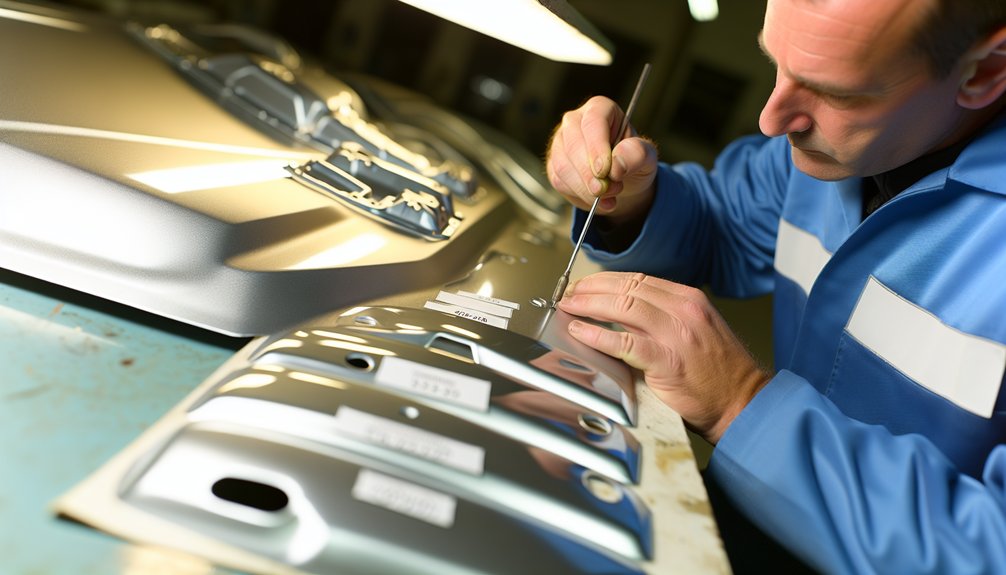
Working with damaged surfaces calls for careful focus, steady control, and clear planning to restore shape without stress. Skilled repair work uses simple tools, calm hands, and steady focus to pull unwanted marks from aluminium or steel. Each surface reacts in a different way, so patient effort ensures smooth progress. When care meets technique, strong and clean surfaces return. Trust grows when results stay consistent and reliable. People often look for steady help and depend on proven actions. A panel beater sunshine coast can apply these steps with steady attention and balanced care.
Understanding surface response
Aluminium and steel react differently during repair due to strength differences. Careful handling protects the area and keeps the surface stable. Observing responses at each stage supports balanced repair progress without causing deeper stress.
Checking surface depth
Assessing depth helps determine suitable actions. Light marks lift faster, while deeper flaws require slower and steadier pulls. Careful checking helps prevent strain on the surrounding area and supports smooth recovery.
Choosing the correct tools
Proper tools control pull strength and reduce strain. Gentle tools suit lighter marks. Stronger tools help lift tougher areas. Picking suitable tools ensures steady progress and supports consistent results without harm.
Controlling pull strength
Balanced strength keeps surfaces safe. Slow, steady pressure avoids stress points. Small pulls protect the area and prevent stretching. Strong force used too quickly may distort the surface and increase damage risk.
Preparing the working area
A clean area helps tools attach firmly. Removing dirt allows for better grip and smoother work. Prepared surfaces reduce slipping and help maintain steady control during each pull without creating further marks.
Balancing heat use
Gentle warmth sometimes softens the area. Warmth helps tight spots ease slightly. Too much heat weakens the structure. Controlled warmth gives smoother progress and supports safe lifting without harming the material.
Restoring surface lines
Returning to natural lines needs calm guidance. Light shaping brings curves back. Careful smoothing reduces visible flaws. Small controlled moves ensure lines stay aligned without forcing the surface beyond its limit.
Finishing surface shape
Final shaping gives clarity and neat form. Subtle smoothing removes slight waves. Clean strokes support a uniform appearance. Continuous checking ensures the area stays aligned with the surrounding surface.
Care tips for lasting results
Proper care keeps surfaces steady.
- Clean the area gently to prevent new marks and stop small particles from causing scratches.
- Store tools safely to avoid wear that reduces grip and affects consistent repair accuracy.
- Use soft cloths to check surfaces and locate uneven spots without adding pressure.
- Keep the area supported to prevent bending that disrupts smooth restored lines.
- Inspect regularly to notice small shifts early and correct them before they spread.
Careful lifting, balanced shaping, and patient guidance rebuild clean surfaces without stress. Smooth progress grows from simple actions supported by close attention. Minor flaws can return to steady form with thoughtful work that supports long-lasting strength. Applying this knowledge helps any person handle unwanted marks with confidence and calm focus. Working slowly prevents deeper flaws and protects surrounding areas from strain. Each surface stays stable when approached with gentle pressure and simple routine checks. Strong results continue when actions follow consistent steps guided by safe habits. A panel beater sunshine coast follows similar care to maintain reliable outcomes.