
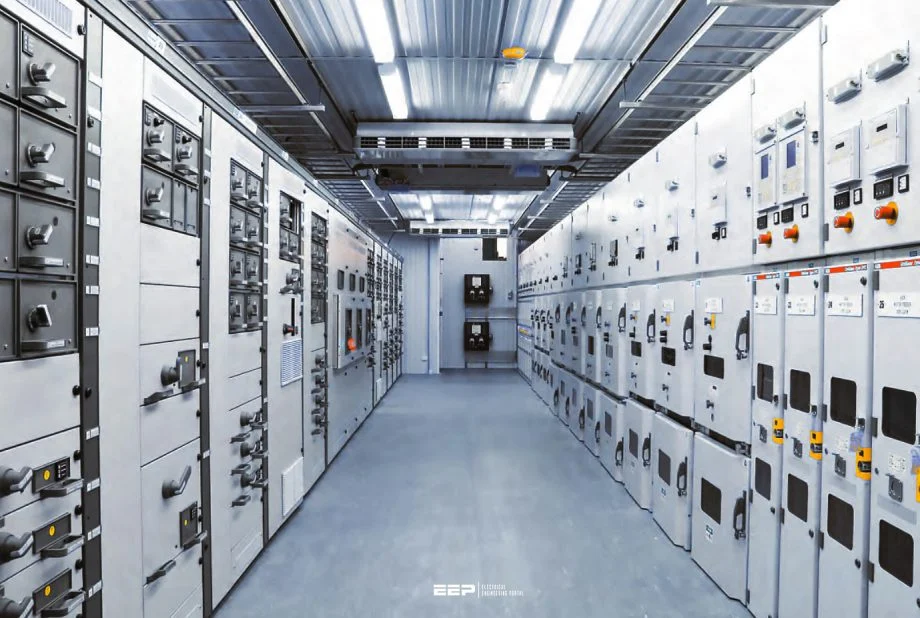
In modern facilities, the demand for energy efficiency, operational reliability, and advanced monitoring capabilities has never been higher. Operations managers, engineers, and sustainability officers are constantly seeking solutions that enhance performance while minimizing downtime and energy waste. Low-voltage smart switchgear has emerged as a powerful tool for achieving these objectives, combining traditional electrical distribution functions with modern intelligence and connectivity.
Low-voltage smart switchgear provides more than just a means to distribute power. By integrating sensors, communication modules, and control logic, it allows facility teams to monitor, manage, and optimize electrical systems in real time. Even in complex industrial environments, these systems can interface with broader industrial automation platforms, enabling coordinated control of motors, lighting, and other critical loads while reducing the risk of overloading or inefficiencies.
One of the most significant advantages of smart switchgear is enhanced monitoring and visibility. Traditional switchgear provides basic protection and isolation, but smart systems track key metrics such as current, voltage, temperature, and energy consumption. This granular data enables facility managers to detect abnormal conditions early, preventing equipment damage and unplanned downtime. For example, integrating smart switchgear with industrial automation tools allows operators to adjust loads dynamically, ensuring energy is used efficiently and safely across the facility.
Energy efficiency is another key benefit. Smart switchgear provides precise control over power distribution, allowing facilities to optimize usage and reduce waste. Operators can identify high-consumption areas, analyze load profiles, and implement demand-response strategies. This not only lowers operational costs but also supports sustainability objectives by minimizing the facility’s environmental footprint. Even minor improvements, such as better load balancing or adaptive control of non-critical systems, can result in measurable energy savings over time.
Reliability and safety are central to the appeal of smart switchgear. These systems offer advanced protective features, including overcurrent, short-circuit, and ground-fault detection. By providing real-time diagnostics and automated alerts, smart switchgear enables rapid response to potential issues, protecting both personnel and equipment. Integration with industrial automation further enhances reliability by coordinating system responses across multiple subsystems, ensuring that faults in one area do not cascade and cause broader disruptions.
Operational efficiency is improved through automation and predictive analytics. Smart switchgear collects continuous data on system performance, which can be analyzed to forecast maintenance needs and prevent unexpected failures. Predictive insights allow facility teams to schedule interventions proactively, extend the life of critical components, and reduce maintenance costs. This proactive approach aligns with the growing emphasis on reliability-centered maintenance, where operational continuity and equipment longevity are prioritized over reactive repairs.
Scalability and flexibility are additional advantages of low-voltage smart switchgear. Facilities that plan to expand or upgrade their operations can integrate new loads without major reconfiguration, as these systems are designed to accommodate changing demands. Intelligent modules can be added or reprogrammed to manage additional circuits, making it easier to adapt to evolving operational needs. This flexibility ensures that the investment in smart switchgear remains valuable over the long term.
Data integration is another critical feature. Smart switchgear can communicate with building management systems, energy management platforms, and industrial automation networks. This connectivity allows centralized monitoring, reporting, and control, giving operators a comprehensive view of energy usage and system health. By linking electrical distribution with broader operational systems, facilities can optimize workflows, reduce energy waste, and make informed strategic decisions about upgrades and resource allocation.
Staff training and operational protocols are essential for maximizing the benefits of smart switchgear. Personnel must understand how to interpret system data, respond to alerts, and leverage automation features effectively. Well-trained teams can make better decisions, improve safety, and ensure that the system operates as intended. Combining human expertise with intelligent monitoring creates a synergy that enhances overall facility performance.
Finally, adopting low-voltage smart switchgear supports broader organizational goals, including compliance and sustainability. Many facilities face stringent energy codes, environmental regulations, and corporate reporting requirements. Smart switchgear simplifies compliance by providing accurate, real-time data and automated reporting capabilities. It also enables facilities to demonstrate energy efficiency improvements, operational reliability, and a commitment to sustainability initiatives.
In conclusion, low-voltage smart switchgear is a transformative solution for modern facilities, offering improved monitoring, enhanced energy efficiency, and increased operational reliability. By integrating with industrial automation systems, it allows facility teams to manage power distribution intelligently, respond proactively to issues, and optimize performance across the enterprise. From predictive maintenance and load management to scalability and compliance support, smart switchgear provides tangible benefits that align with the needs of today’s operations managers, engineers, and sustainability officers. Investing in these systems ensures that facilities remain efficient, safe, and prepared for future operational demands.